Start with the essentials: what to check right now
If you want to publish a thesis without last‑minute rejections, confirm these five essentials first: formatting meets your department’s rules; references are complete and consistently styled; required signatures and ethics/copyright permissions are in place; metadata (title, abstract, keywords, author name/affiliation, ORCID) is accurate; and any embargo or commercialisation needs are decided. These items are the fastest causes of administrative delay or rights loss, so check them before you upload files.
Formatting, pagination and final file preparation
Universities expect a strict set of formatting rules. Common problems are wrong margins, inconsistent headings, missing page numbers, and incorrect file types. Use your department’s template and then:
- Run a final pass for consistent fonts, heading styles and numbered captions (tables, figures, appendices).
- Ensure the title page and signature/approval page follow the exact required wording and contain supervisor/examiner signatures or scanned equivalents.
- Export a final PDF with embedded fonts and bookmarks; verify page numbering appears correctly in the exported file.
References, citations and data statements
Reference errors are a common reason repositories push back a submission. Verify every in‑text citation appears in the reference list, check DOI links where available, and use your reference manager to regenerate a final bibliography in the required style.
If your thesis includes original datasets or code, decide how you will make them available and include a data availability statement with persistent links (DOI or repository URL) where possible. If a dataset cannot be shared, record the legal or ethical reason.
Permissions, copyright and third‑party material
Identify any third‑party material (figures, extended quotations, images) and secure written permission for reuse if required by copyright holders. Don’t assume small extracts are automatically fair use—some repositories require explicit permissions for images and tables.
Decide your preferred licensing: many universities use a Creative Commons licence for repository deposits. If you want to retain more control or allow commercial reuse, select the licence accordingly and confirm your institution supports it.
Ethics approvals, participant consent and anonymisation
If you used human subjects, confirm that your ethics approval covers publication and repository deposit. Check participant consent forms — they should mention whether anonymised data will be shared and whether the thesis can be made openly accessible.
When anonymisation is necessary, run a targeted check for indirect identifiers (locations, job titles, rare conditions) that could re‑identify participants. If anonymisation reduces the thesis’ usefulness, consider an embargo or restricted dataset access via a data access committee.
Institutional and funder requirements (embargoes, open access, and deposits)
Check institutional and funder policies early. Some funders require immediate open access or a specific licence; others allow embargoes for a set period to permit patent filing or publication negotiations. Decide and request an embargo before submission if needed.
Note: embargoes delay public access, not the deposit itself—repositories usually still store the accepted thesis and make metadata visible.
Metadata, author identifiers and discoverability
Complete and consistent metadata matters. Confirm the exact thesis title, author name format, degrees sought, department, supervisors, keywords, abstract, and date.
Register or provide your ORCID iD and any grant or project identifiers; these improve discoverability and ensure correct attribution when the thesis is indexed or cited.
Plagiarism check and verbatim overlap
Run a similarity check using your department’s approved tool. Treat flagged overlaps proactively: rephrase, properly quote, or add citations rather than relying on a supervisor to clear them later. Many repositories will accept a short overlap with prior publications, but disclosure is essential.
Choosing post‑graduation publication routes and rights trade‑offs
Think ahead about converting parts of your thesis into articles, monographs, or chapter collections. If you sign exclusive rights with a publisher later, ensure you have preserved the right to use your own material in future work or that you retain copies for teaching.
Many authors deposit the accepted thesis in the institutional repository under a non‑exclusive licence while simultaneously preparing journal articles; this preserves access without blocking future publishing options.
Practical final steps and who to contact
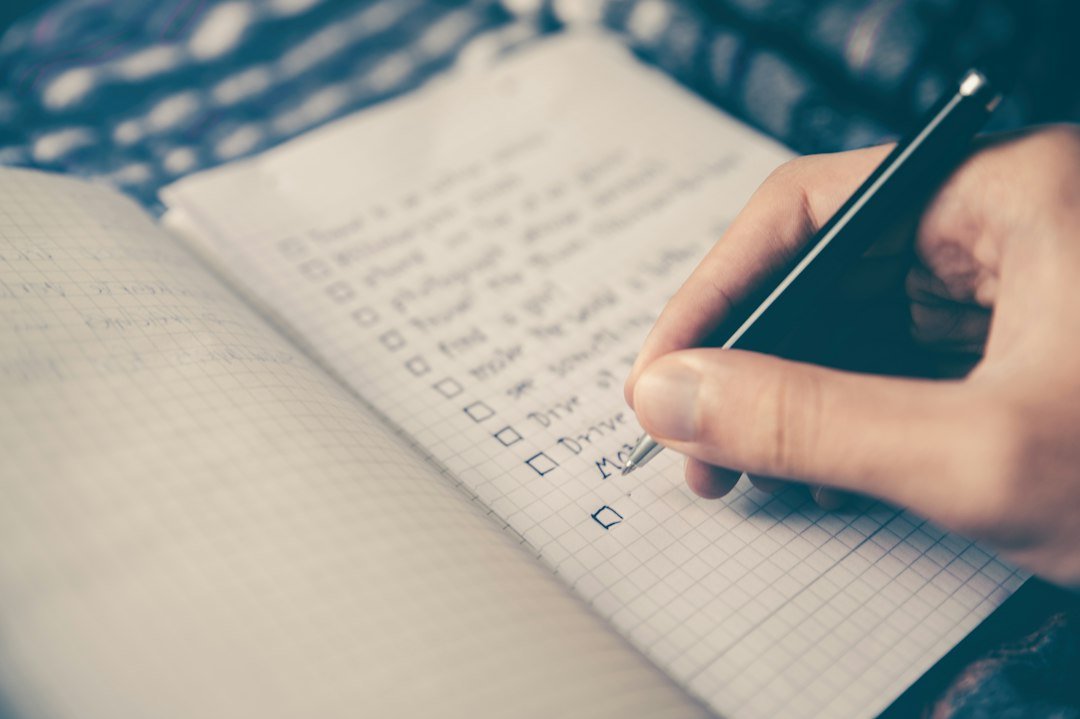
Create a short “submission packet” folder containing: final PDF, approval page scan, ethics/consent letters, permissions correspondence, dataset links or statements, and the metadata draft. Email your department administrator or repository manager before submission if you foresee issues (embargo, commercial content, patent considerations).
- Confirm department formatting template and export a PDF with embedded fonts.
- Collect signed approval page and ethics documentation.
- Obtain written permissions for third‑party figures and images.
- Run a similarity check and resolve flagged overlaps.
- Complete metadata, add ORCID, and decide on keywords and abstract wording.
- Decide on an embargo or licence and request it before deposit if needed.
- Archive datasets/code or prepare data availability statement with persistent links.
A quick, organized pre‑submission review prevents administrative rejections and preserves your future publishing options: check formatting, rights and ethics, finalise metadata and identifiers, and decide about embargoes before you upload.
Can I publish my thesis online if I plan to submit journal articles later?
Yes; many repositories allow non‑exclusive deposits. Retain your rights and consider embargoes if you need temporary restriction while you submit articles.
Do I need permission to reuse images from other publications?
Often yes—especially for full‑resolution images or copyrighted figures. Secure written permission or replace with your own illustrations when possible.
What is the purpose of an embargo and how long should it be?
An embargo delays public access to protect patent, commercial or publication plans; typical lengths are 6–24 months but follow funder and institutional guidance.
Should I include raw data with my thesis?
Include data where feasible and ethical. If not shareable, provide a clear data availability statement explaining restrictions and how legitimate researchers can request access.
Who can help if my submission is rejected by the repository?
Contact your departmental administrator or the repository manager; they can explain the specific cause (formatting, missing permissions, metadata) and advise on fixes.